Where there is love there is life.
— Mahatma Ghandi
Mumbai was the first stop on my trip across India. In particular, this was one of my more favoured spots on the trip. While in Mumbai, we were given a very immediate culture shock. There were many differences that were immediately apparent. Communication became the biggest challenge, as our group attempted to fill out customs forms with no one being literate in any from of Hindi. The air quality of the city was poor, and it was a little bit harder to breathe compared to in a rural environment of Michigan.
There were many stray dogs who came up to us, as well as beggars alike asking for money or anything we had to spare. The sheer number of people in one area was also a bit astounding. Citizens riddled the streets of Mumbai, even at 4:30 in the morning. Coming from a private, isolated place like Spring Arbor – it was a major change to step onto the streets of Mumbai.
One of the first things we did in Mumbai was attend a seminar given by multiple pastors in Mumbai. These pastors talked at length about different social work initiatives being done in order to help and reach the most disadvantaged and broken in and around the city. 60% of India’s population is youth, thus, a lot of focus has gone into administering care to adolescents. In fact, there is an organization called the Dayanand Foundation that gives orphans, disabled, and poor children the opportunity to go to school, and get educated.
On the topic of education, the cross cultural group and I were graced the opportunity to visit an all girls institution in Sophia College. Sophia College was a very impressive school, a former royal palace converted into an education centre. Getting the opportunity to tour the school taught me a lot about the climate around gender roles and education in India. It is more typical for men and boys to go to school and get educated. Not to say women are discouraged from attending school, there is a considerable gap between the number of women being educated compared to the men.
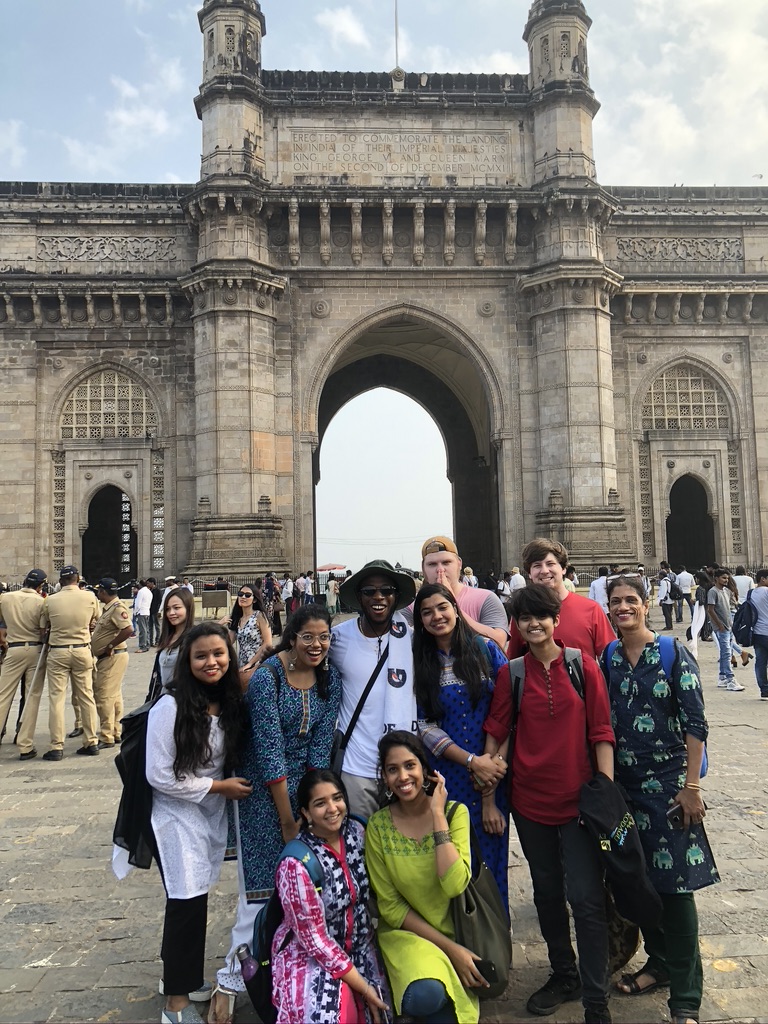
In addition, much of the studies done in the schools is influenced by the English language, with connections to both England and the United States. Learning and studying in English is very important to Indian students, as it gives them the chance and opportunity to work for prominent westernized companies, or to move to countries that are English speaking. For the most part, the class size and structure were the same to ours at Spring Arbor. However there were many things in particular that I noticed; such as studying English literature.
One thing that our group learned about the Indian government early on is that evangelizing is illegal in India. The dominating religion is Hindi, and it was no secret that the religious views were tied in with the political ventures of India. This seriously hindered the amount of work any ministry was trying to accomplish. Killing cows (sacred animal to the Hindi religion and Indian people) was a criminal offence.
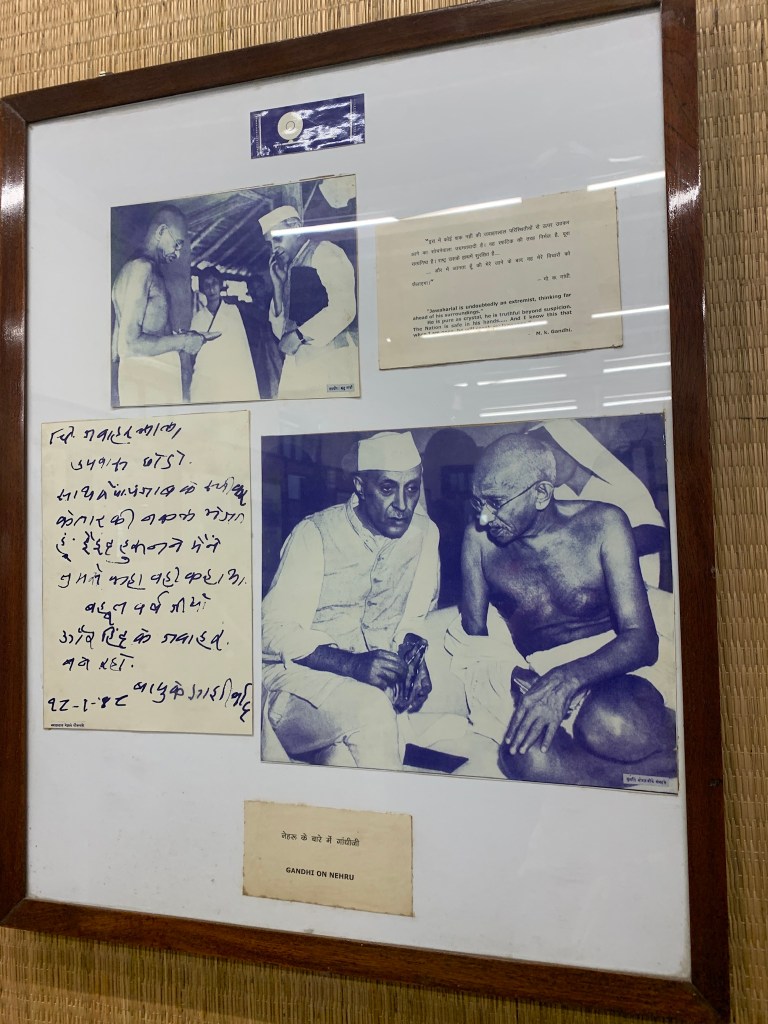
The government and culture in India pay much allegiance to Mahatma Gandhi, who is also the person that I did my mini-lecture on. With his non-violent approach to oppose the Indian rule, Mohandas Gandhi was a visionary who played an integral role in the separation of India from England. Much of his work and political reform material was done in Mumbai, and we got the opportunity to visit his home/study, which was called Mani Bhavan. It was important to note how much the students studied the writings of this man, and how much the country revered him. He played a big part in advocating for the rights of women, and pushing education and attention to the youth – which have become active projects for the Indian government.
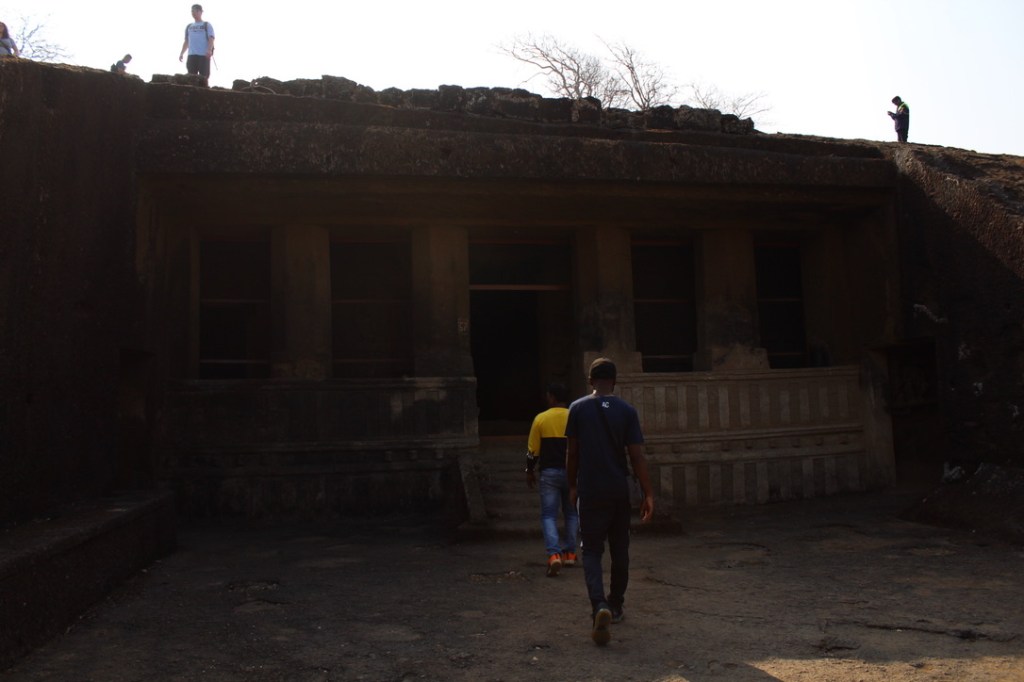
Other stops on our trip were a trip to the Kanheri caves, which are outdoor excavated caves on the top of a mountainous hill in Mumbai. There are a total of 109 outdoor caves, that used to be populated by monks, and other nomadic cultural tribes. The Kanheri caves have become a tourist accommodation, but were previously used as a residence for education and religion.
Out of all destinations, Mumbai was the most high-end in terms of business and shopping. We went to two very large malls while in Mumbai. A lot of the stores were the same in America, with prices being just as steep. There are a lot of major companies in India, seeing as it is such a bustling country. Both malls that we went in were huge, with a lot of variety for any kind of shopper. Nothing compared to the bargaining shops we encountered in Kolkata or Darjeeling.
Mumbai was a layered city that had much to offer in terms of sight-seeing and personal interaction with the city. More stable infrastructure, a busy street culture, as well as westernized shopping were all apart of Mumbai. But I had only just tipped the iceberg in India.
 Addison's Blog