Hello everyone! My name is Addison Clarke, and welcome to my blog about my trip to India this past January, 2020.
Being a student at Spring Arbor University, it is a requirement of everyone who attends the school to go on a 3 week Cross-Cultural trip to a different country outside of the United States.
Why do this?
Many students thus far have done little travelling to other places around the world, or even in the United States. Expanding one’s worldview is a focal point of studies at SAU.
Experiencing another culture is an opportunity to showcase and exercise the liberal arts education that the school has provided me and my fellow classmates.
To build relationships with fellow students on our trip that we may not know, or foreign citizens native to whatever designated destination.
A look at how God is present or absent in different areas of the world and what can be done about that.
India was one of the highlights of my life, and while being there I was immersed and fully accepted into the culture. As a result of this, I was able to learn a lot about India as a powerful leader in world affairs through sectors like government, economics, etc. In addition, I got the chance to experience the people of India and learn about the language, food, hobbies and pastimes – and so much more.
This blog will be a detailed analysis of my trip to India, where I travelled to 4 different cities across a 21 day period. Mumbai, Hyderabad, Darjeeling, and Kolkata were among my stops in India – while also taking a side trip across the Nepal border. While reading, you will note this page is broken up into different sections that highlight the main aspects of another culture: business, religion, family, education and government.
I hope that this blog allows you, the reader, to learn more about India through my eyes as I experienced. Through my personal stories, as well as facts picked up along the way, this blog will look to give a fully encompassed view of India at large. Being a traveller to this country, I hope that my perspective is more relatable, yet knowledgable and easy to understand.
To be completely honest, I have yet to fully process this trip and everything that it meant to me and the people I was able to build relationships with. I feel like it will take me a lot longer until I can think back and identify clearly what parts were the best, where I experienced struggle, where I had the most growth, etc. Coming to India made me very self aware of the qualities I possess and naturally exude, but in the same token showed me things that I admired in other people that I felt like I could work on myself.
Before this trip, I would have categorized myself as an easy-going individual who is pleasant to be around all the time. However, the nature and hospitality I received from Indian citizens was second to none. In our western culture, individuality and self autonomy have become key to our disposition. A sense of compassion and empathy were two character traits I noticed that I was lacking in myself. Any time someone did something for me, it was without question, without spite or disrespect (even bargaining with pesky shop owners was done on an even level of understanding.) Nowadays, people don’t like to go the extra mile for others, but yet are quick to go to extreme lengths when their own interest is involved. It has become a “me” not “we” culture, which, to be fair – does have its advantages as well as its disadvantages. However in India, everything had a sense of family surrounding it. People were kind and went out of their way to make circumstances easier for the person they care about. This is not to say that social cues, gender roles, and cultural norms aren’t different – because they definitely are. But regardless of whether we were getting a tour, or eating dinner, or going to use a bathroom; there was always someone willing to help.
Going forward, I will return to India again. I believe in speaking for what you want in life, and as I reflect on my trip to India I think to myself that this cannot be the only time I get to spend here. I was interested in travel before, but never pursued it as my priorities were on different things that were important to me and other college kids/athletes around my age. However, after college I really see this as an experience to travel and broaden my sense of the world and how it works. I feel like I am a lot more in tune to things that I struggle with as a person in terms of qualities and identity. Being self-aware to the things that shine a negative light on us as a person is important because I would like to minimize as many negative qualities I show to others around me. Being a light and a comforting presence are traits most Indians naturally possess, and I feel like this only makes life easier for myself, but those around me as well.
It was truly a blessing being able to go to India for three weeks. I would go back again in a heartbeat. Words cannot express how much impact this had on my worldview, and I have become much more grateful of my material possessions and freedom that I experience in this country of America. All I have in mind when I think about India is ‘Thank you’ and I will strive to incorporate all of the things I saw and learned into my daily life back in America.
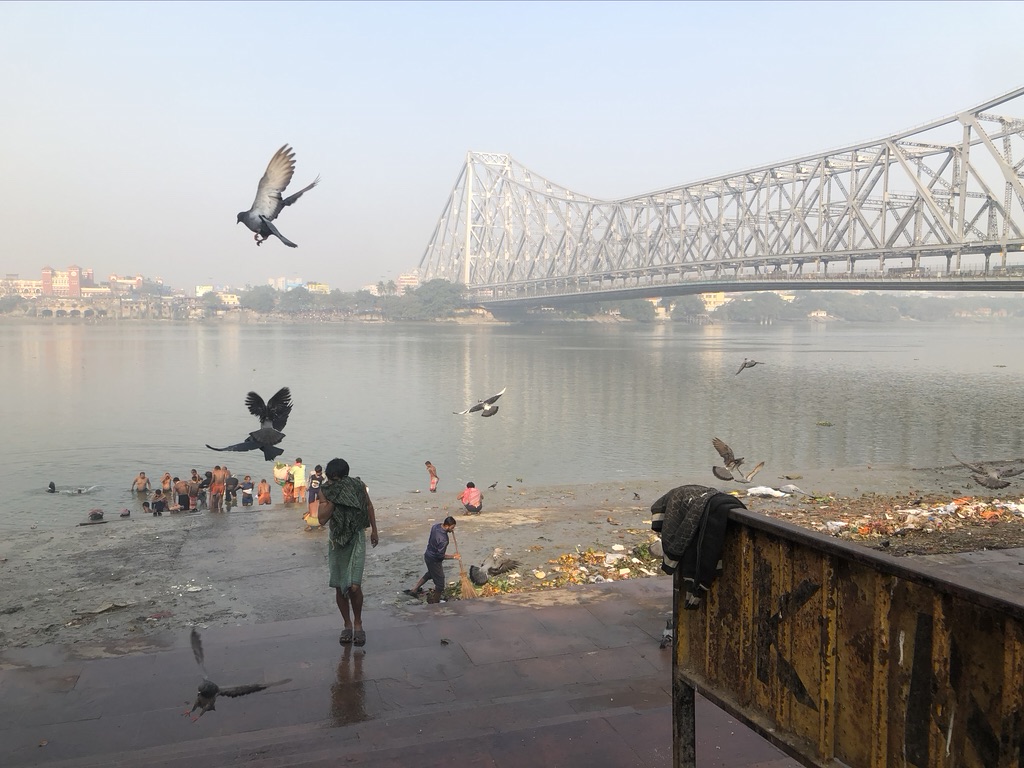
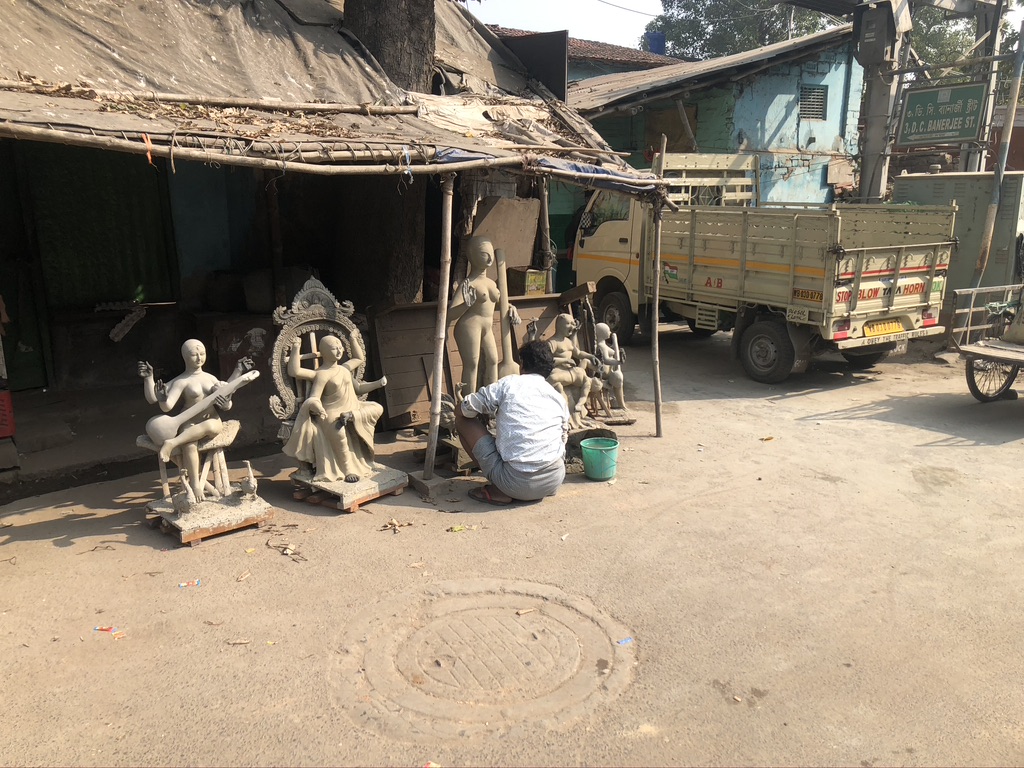
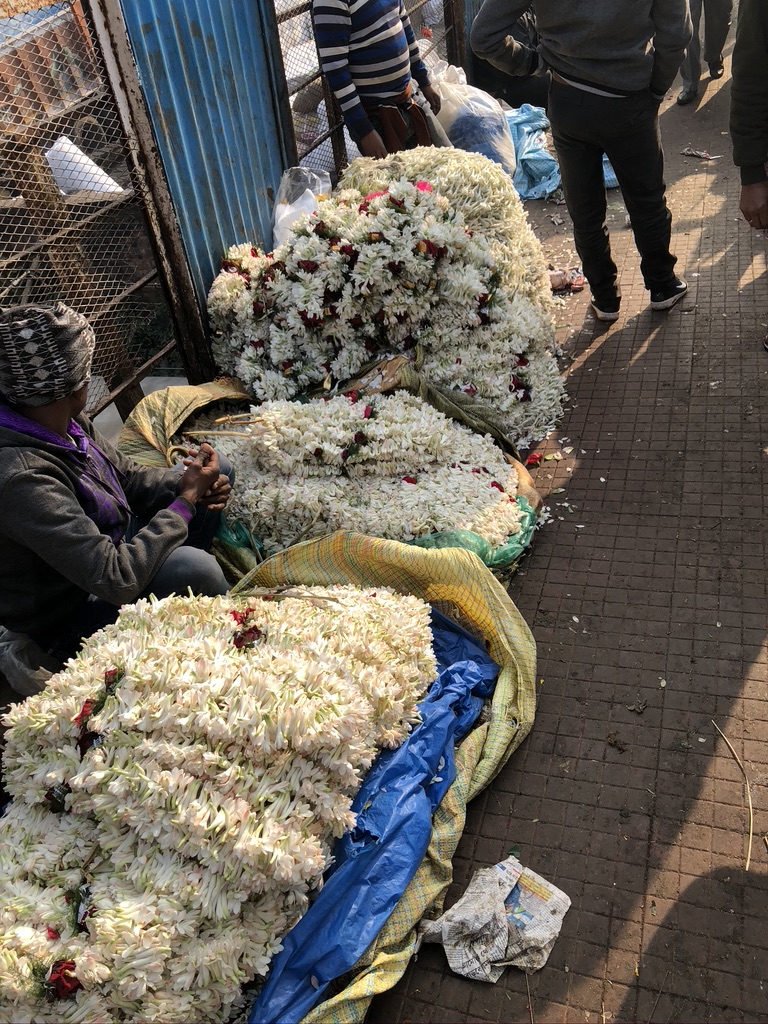
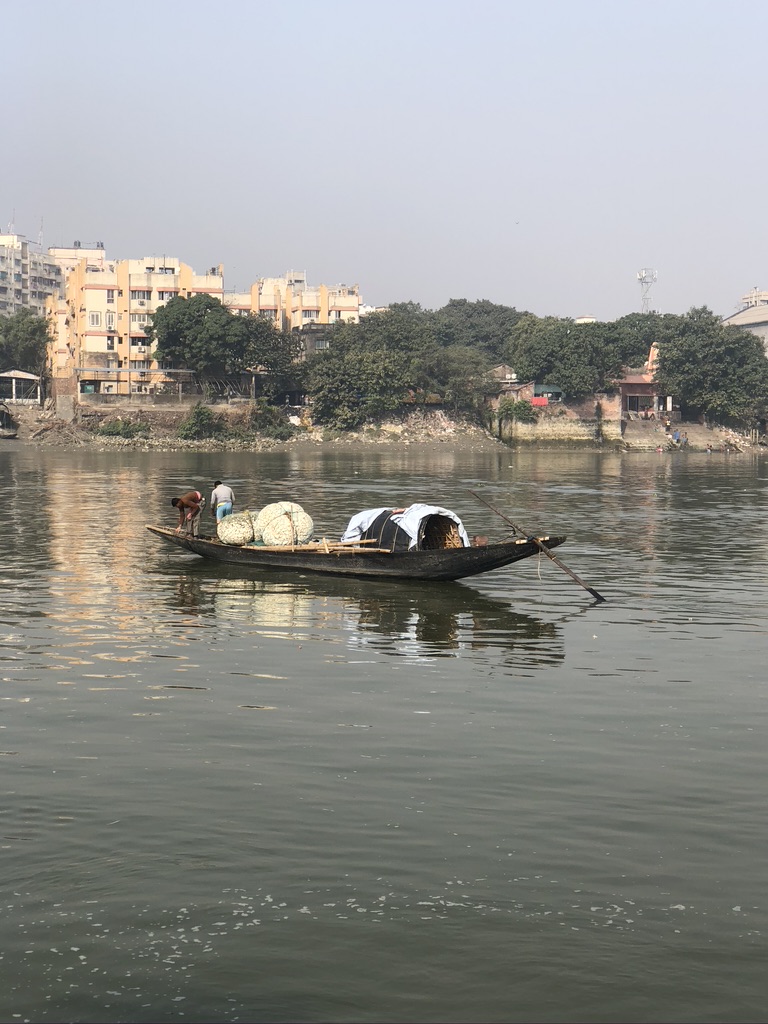
Although Kolkata was the last stop on our trip, this doesn’t mean that it was any less of an experience compared to the other 3 destinations. While walking through the streets our first night in the city, I made a side comment to my professor, saying, “This is the most raw experience we’ve had thus far in a major metro city.” What I meant by that is during our time in India, we were blessed with amazing guides that were with us every step of the way when it came to going further than a mall or a restaurant. While in Kolkata, we were left to fend for ourselves and navigate our own way throughout the city. Our group needed to be much more cautious about our locations, as well as awareness to our surroundings. A bustling business capital, Kolkata also had many hidden treasures waiting to be discovered. A visit to Mother Teresa’s house, a trip to the American Embassy, and walking through a ‘Clay city’ really showed the depth and layers that our last urban area had to offer.
Mother Teresa’s house was a very tranquil and peaceful space to enter, especially in a city that never slept like Kolkata. Seeing where she based her operations and gathered other individuals to aid and share her passion for helping the disabled and sick was special. Although we weren’t able to tour the place and get insight as to what went on, it was touching to be a part of a service with other people who either were just visiting the place, or were longstanding members of her association.
One of our more impactful destinations was our trip to Sari Bari. Sari Bari is an organization started by two American women striving to change and impact the sex trafficking scheme and prostitution business in Kolkata. Based in the Red Light district, many of the women who come to work at Sari Bari are from the surrounding area. Sari Bari is a scarf and garment company, selling their scarves and products online to the world. The individuals who have escaped trafficking and are hired by Sari Bari receive many benefits and aid from the organization and the government. For example, the government gives the women money in order to put their kids into school. Or, setting up a savings account for them, by taking a portion of their pay cheque that the women themselves have been taught to set aside. The government has ruled prostitution as illegal, however it is one of the most profitable businesses in India as a whole. Talking to the general manager at this company, I learned that many reasons attribute to this, such as the long standing view on the role of women, numerous politician’s own involvement in the prostitution scene, and a lack of employment opportunities for Indians as a whole. This initiative is truly one that is life changing and real – I admired the women who worked here and the administration that ran the project.
On a walk of the city, I saw many different things that brought a lot of insight to the city of Kolkata. Some of the bits of information that I was able to pick up, was that only about 40% of all the people who live in Kolkata are actually natives to the city itself. The other 60% of the of the residents are actually migrants from other parts of India, who came looking for job and entrepreneurial opportunities, which are rich in Kolkata compared to other areas of India. In fact, when it comes to the country’s economy – agriculture actually reigns supreme, with about 55-65% of the Indian population relying on crops and food for their livelihood (income, meals).
Religious plurality is something that I noticed while in India, and in Kolkata I was able to see that division pretty clearly. There were many Hindus, as well as Muslims and Buddhists. I encountered more buddhists in Nepal and Darjeeling, however the religion was present in this city as well. The climate was very tolerant, although people prayed and worshipped in different ways and to different deities, there was an understanding and a certain level of respect and acceptance amongst all Indian people I met. On the other hand, that religious climate that we stepped into wasn’t always a tolerant one, as there is a detailed history of Indians attacking and prosecuting others due to their religious beliefs.
The American Embassy in India does many things in terms of lightening and improving the relations with America and India. During our visit to the consulate, we were educated on a lot of the things that goes on in terms of international government relations. The list below outlines a few of the responsibilities that the Embassy takes on.
Administering passports, helping in the event of stolen or lost passports.
Keeping tabs on incarcerated Americans in Indian prisons, however they cannot do more than observe, not allowed to interfere.
Responsible for promoting US business interests by lobbying for regulations that bolster foreign companies.
Responsible for creating relationships with the Indians that show the true nature of the American people. Not all notions people have of other countries are always positive. (P2P Diplomacy)
Sex trafficking in India is a massive problem, and even more prevalent in Kolkata. The embassy works to abolish this trade and rehabilitate the individuals who have fallen victim to trafficking.
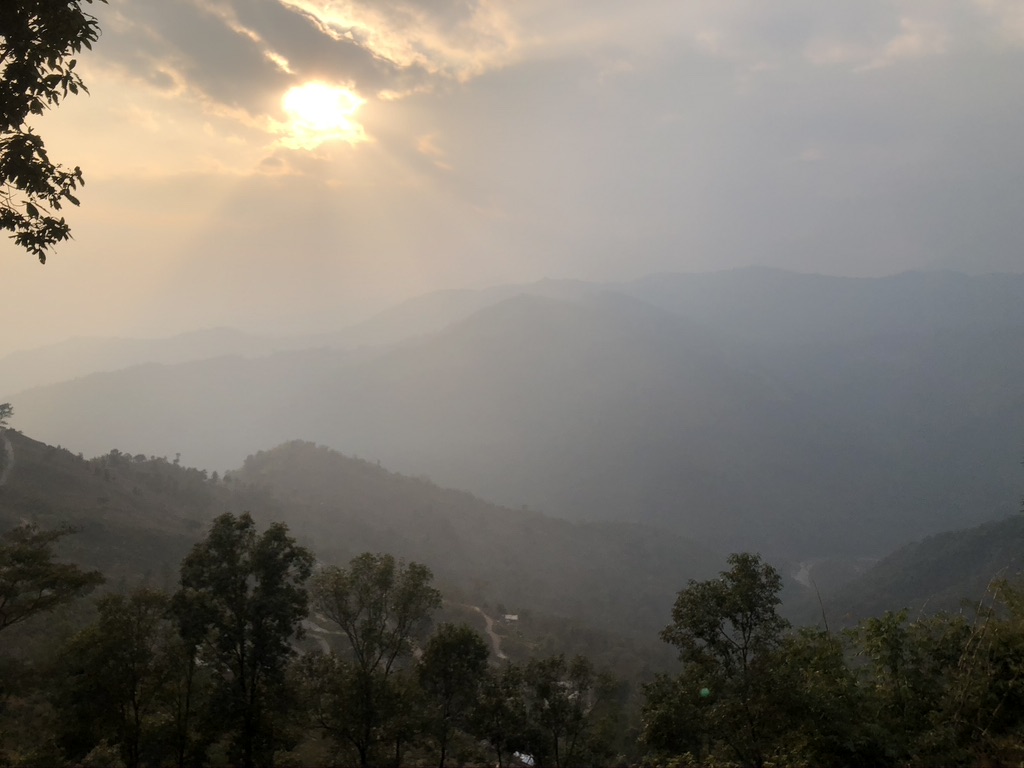
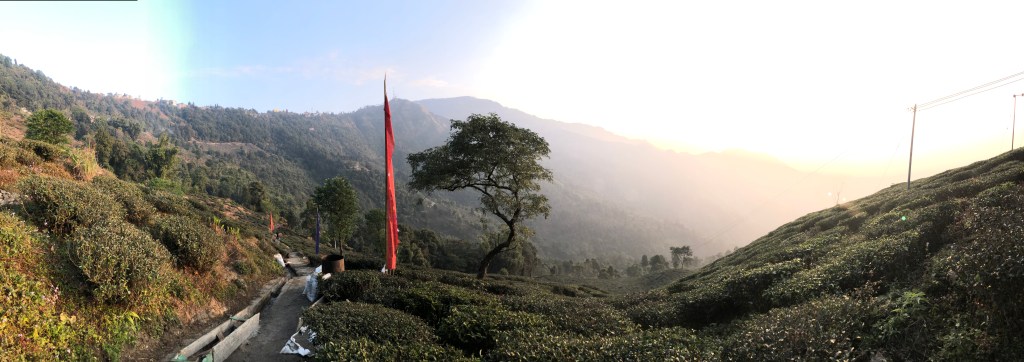
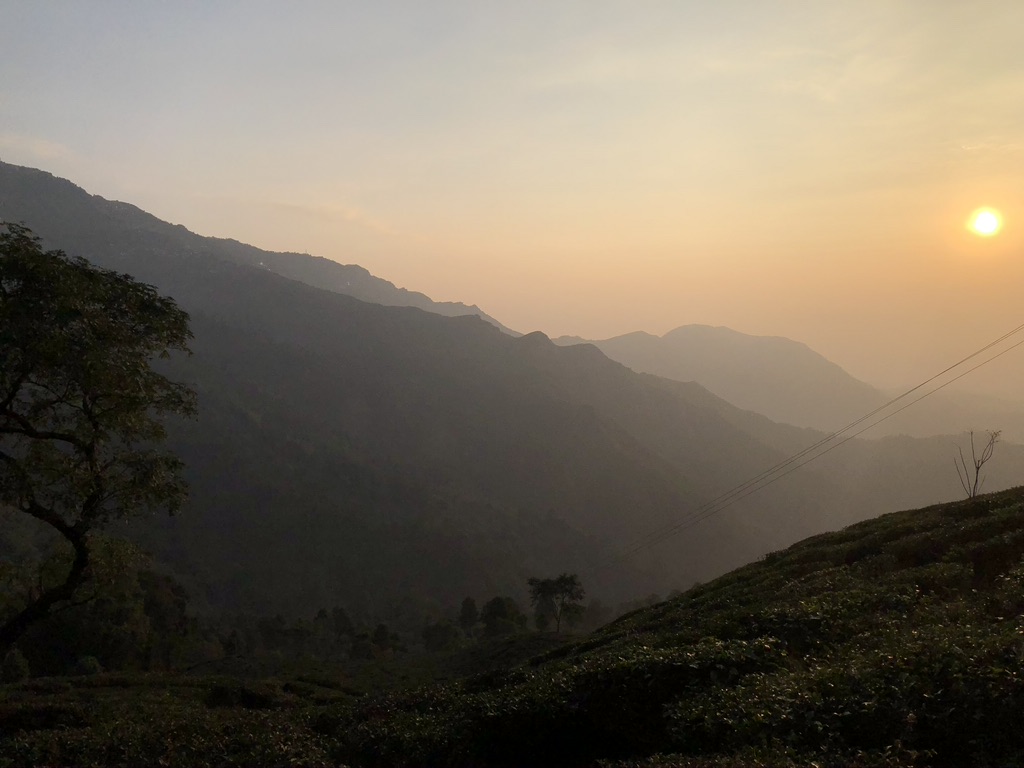
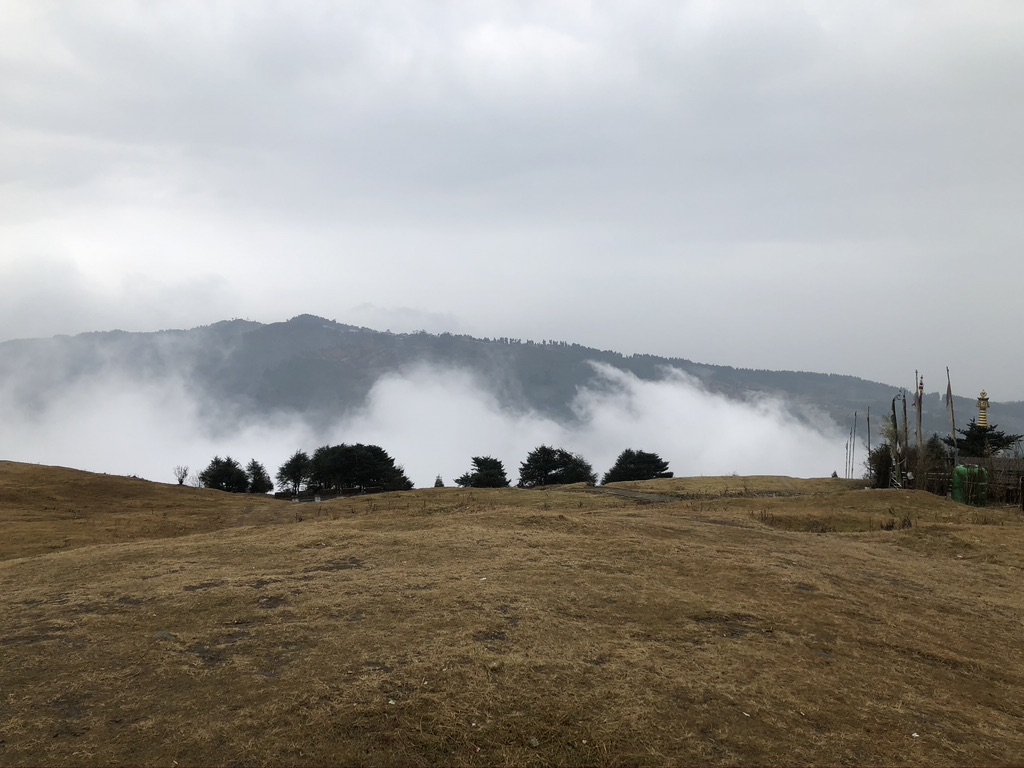
I truly grasped the full extent of my blessings to have put me on this trip in Darjeeling. India was truly something beautiful in the mountains. It was in the Makaibari village that we did our homestays, and I am at a loss of words for how this part of the trip exceeded my expectations. We also took a day trip across the Indian border into Nepal, . This part of the trip will showcase a lot of pictures, as the sights from Darjeeling were, once in a lifetime opportunities.
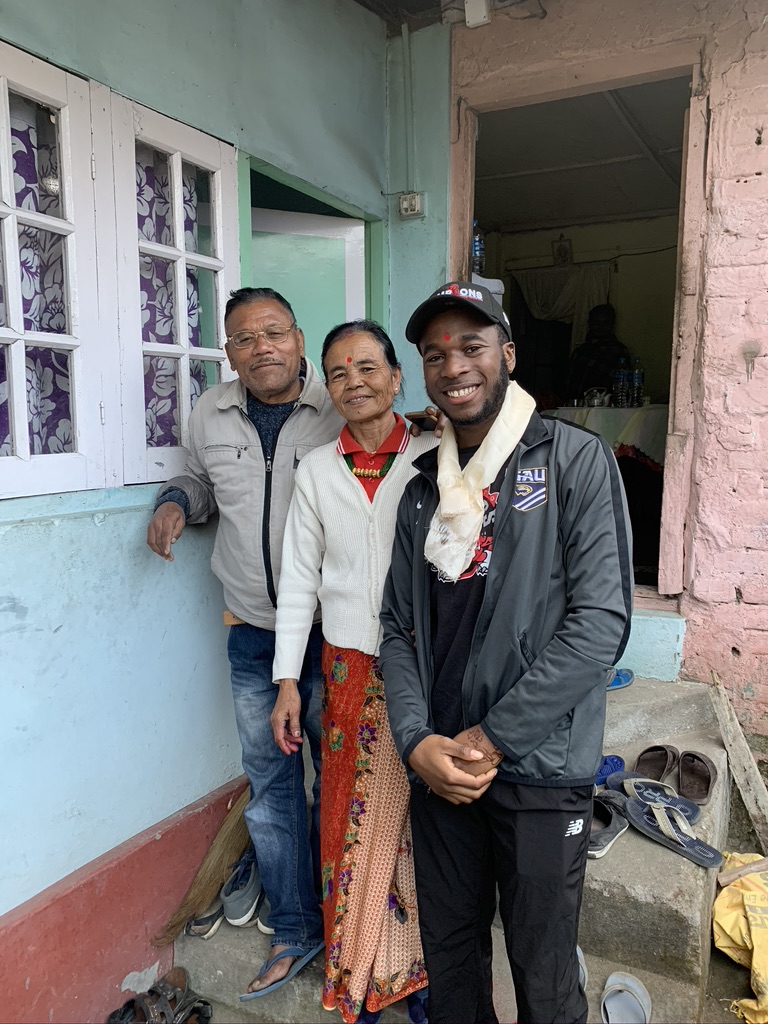
Maya-Debi & Herri
For my homestay, I was housed by Maya-Debi, and her husband, Herri-Chettri(Ronaldo). They spoke a language called Nepalese, which my roommates Gabe, Justin, and Austin learned much of during our four days of staying with them. Maya-Debi and Herri-Chettri are both retired field workers in the tea garden that surrounds their home. They had us stay in two separate rooms with ample space and comfort in terms of beds and couches. we had our own personal bathroom that we did not share with anyone else. Living at the bottom of the terrace were a group of Hindi men who worked in the village. We were accepted with grace and joy, as Maya-Debi called us her lucky four leaf clover – as there were that number of us who came to stay with her.
I didn’t have many challenges on the trip, but one that I knew I would have was not being able to shower during our home-stays. The reason for this was of lack of water, but the reality of the situation truly hit me when I had the opportunity to live with this family. Water was such an issue for this village that they had to carry it up in bottles and buckets from a main station someway down the mountain. We were not served water with our meals, nor did we see any built in showers or bath-tubs. Despite this issue, these were some of the happiest and most genuine people I have ever encountered in my life. This couple treated us like family immediately.
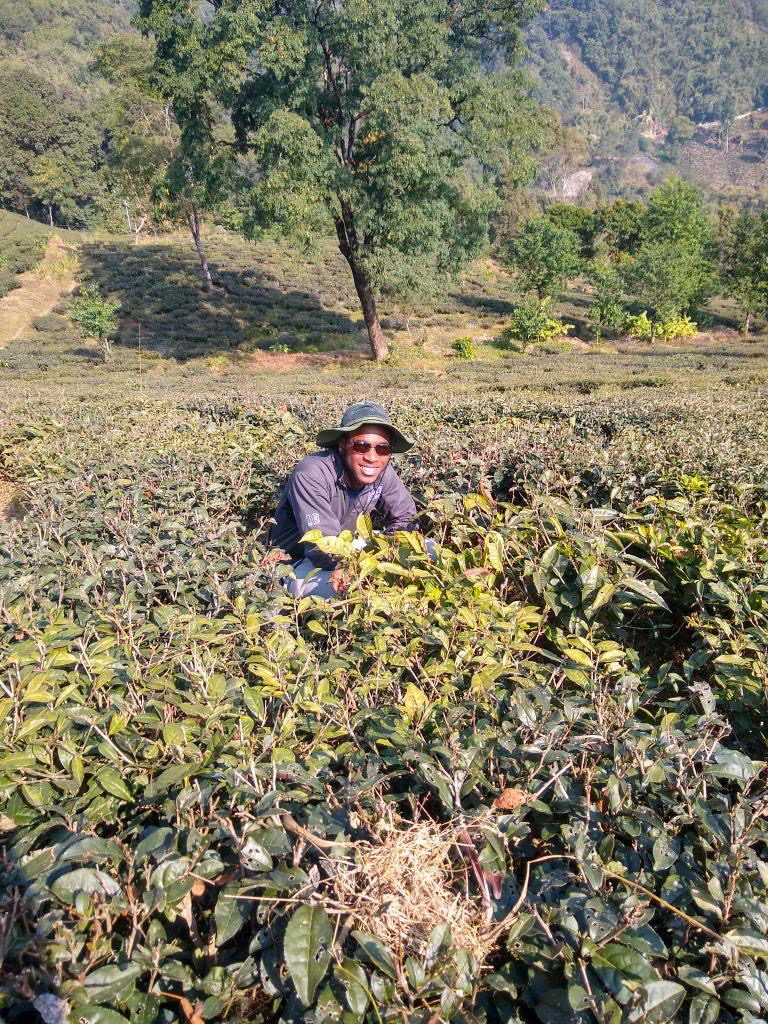
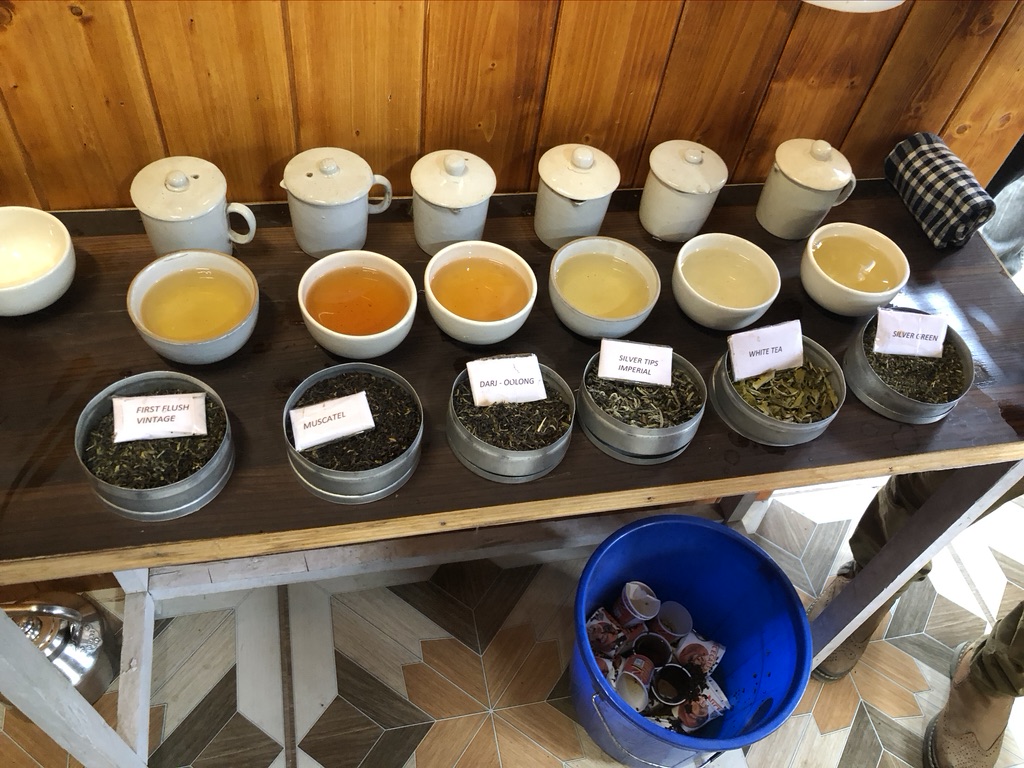
The tea garden was an astonishing tour, and a one of a kind taste testing experience. We were taken down acres of tea, in which we learned about the three different types of leaves that varied in size and thickness, which all grew on different bushes in the garden. There are four harvest seasons, with them all occurring from May-November. Those who tend to the tea fields work 5-6 days a week, and start work around 8:30am, generally waking up at 5:30-6am. When it is not harvest season, the bulk of work is maintaining the size of bush to about 2 feet in height. The harvesting process is a long standing procedure brought to India by the English and their machinery. It involves separating, oxidizing, and grinding the leaves. The final product sells for a lucrative price worldwide.
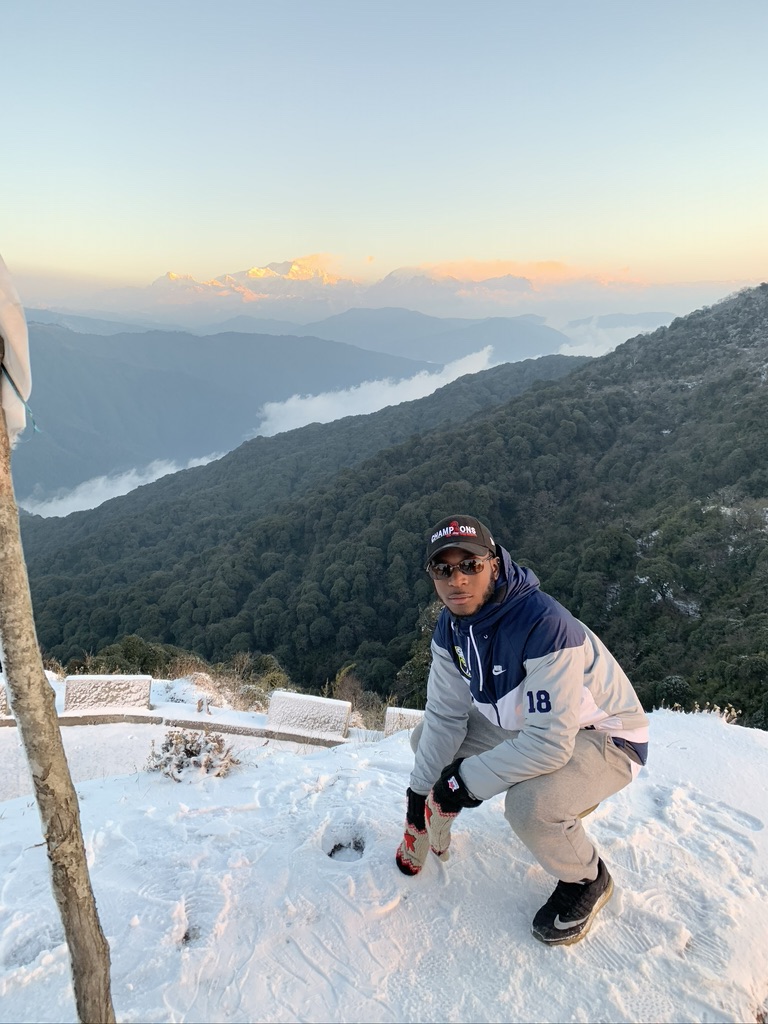
Taking the trip to Nepal was quite the adventure. Travelling in off road jeeps, up steep mountain ranges, in the rain surrounded by fog – the trek up to the Nepal border was not easy. As we approached Darjeeling and Nepal, the facial features of the locals began to change, taking on more Chinese and Mongolian distinctions. Mainly because we were getting closer to the border of China as well. While in Nepal, we got to stay in a lodge facing the Himalayan mountains. We were able to wake up and see the sunrise on the Sleeping Buddha section of mountains, we found out that many Buddhists would pray to a shrine placed in the adjoining direction.
Darjeeling was filled with India’s natural beauty and full of rich relationships and friends. While we were there we attended a house church that was run by a woman. There were about 20 families in total that piled in the little house, and it was very refreshing to be apart of a different kind of worship in a different language. I was so thankful for the time spent in Maya-Debi’s home, as well as in the Makaibari village. The whole village was basically family, and not once did I feel as if I was an outsider, or any sense of alienation. Darjeeling was by far my favourite spot on the trip, and I would go back in a heartbeat.
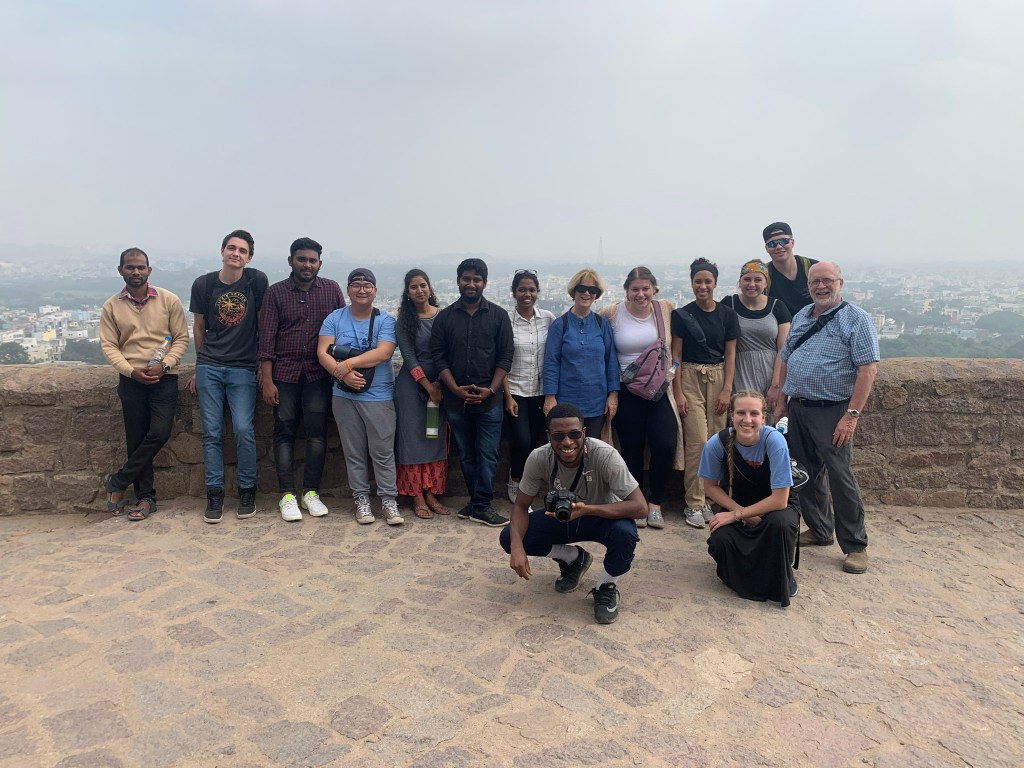
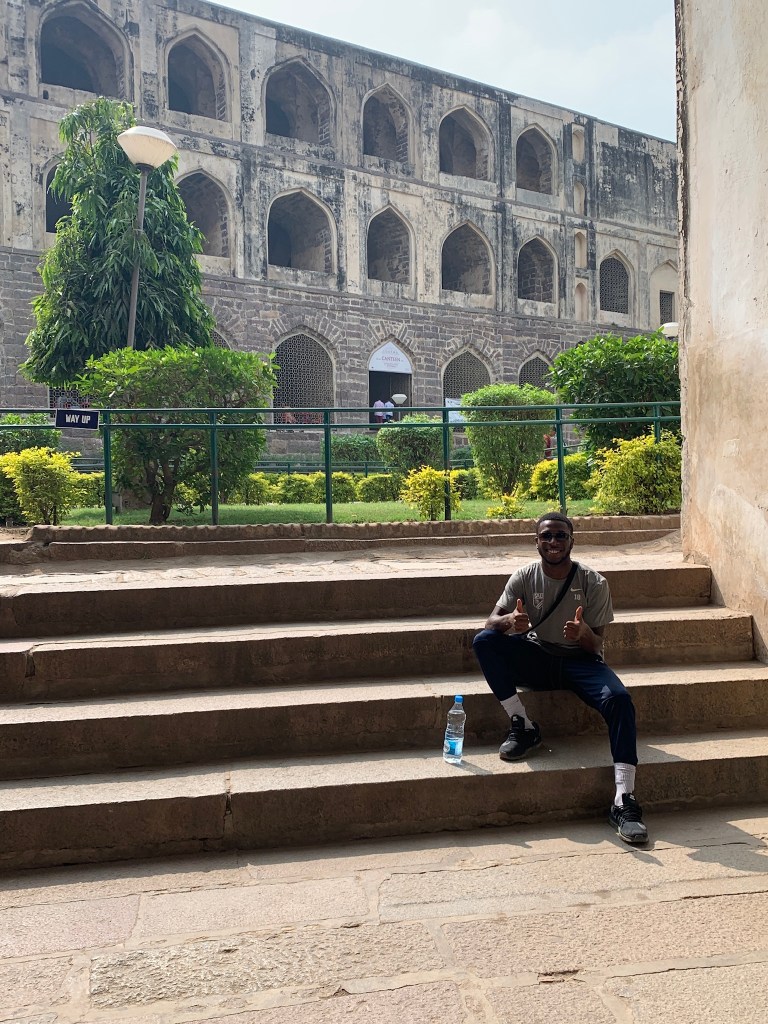
Hyderabad was a unique place where we saw and experienced hospitality, love, and sights fit for kings and queens. During our stay we were housed at Immanuel University, which is one of Spring Arbor’s international sister schools. Immanuel University showed us a new definition of family and hospitality, as they were both our guides, and our companions on our daily endeavours. We visited the Golconda fort, a lavish ancient military stronghold with religious shrines and places of worship.
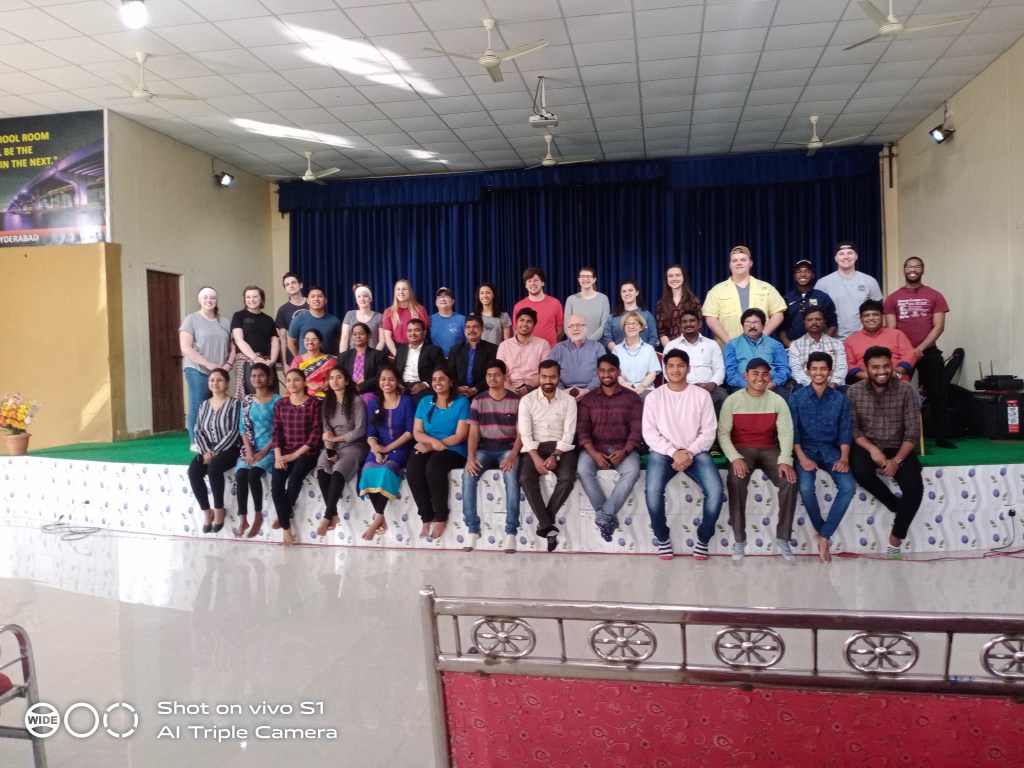
Upon our arrival , we were greeted by an array of students clapping for us as we stepped off of our bus. Immanuel is actually in a small village outside of Hyderabad – named Solipet. This only increased our sense of closeness to the students and faculty who we formed relations with. Our bags were taken to our rooms, and we were expected not to do anything, if we needed something we requested it. This kind of hospitality was uniform around India, however in Hyderabad it was very intentional (most comparable to Darjeeling).
The familial aspect amongst the university was high, everyone knew one another. While staying there we were taken care of by our house lady Lisa, and other seminary students who gave up their time to cook and clean for us. It was very different getting used to a group of individuals who were tasked specifically with making my life more comfortable. We were treated to a night of food and dancing, accompanied by games and henna.
While in Hyderabad, we had the opportunity to learn about higher education, as well as business in India, and Indias involvement in the world. We learned a lot of historical info about India – like it is the second most populated country in the world (every 7th person you meet is Indian). At Immanuel, many of the students were in graduate programs, and were older than us by an average of 1-2 years. The school offered programs centred around HR, Finance, and Marketing. Although majors were limited, many of the students were looking to get jobs directly related to their major in big corporations in Hyderabad. During a time of discussion with IU faculty and students, we learned that these individuals are introduced to at least 2 major corporations that they could apply for, in good faith of hope for employment.
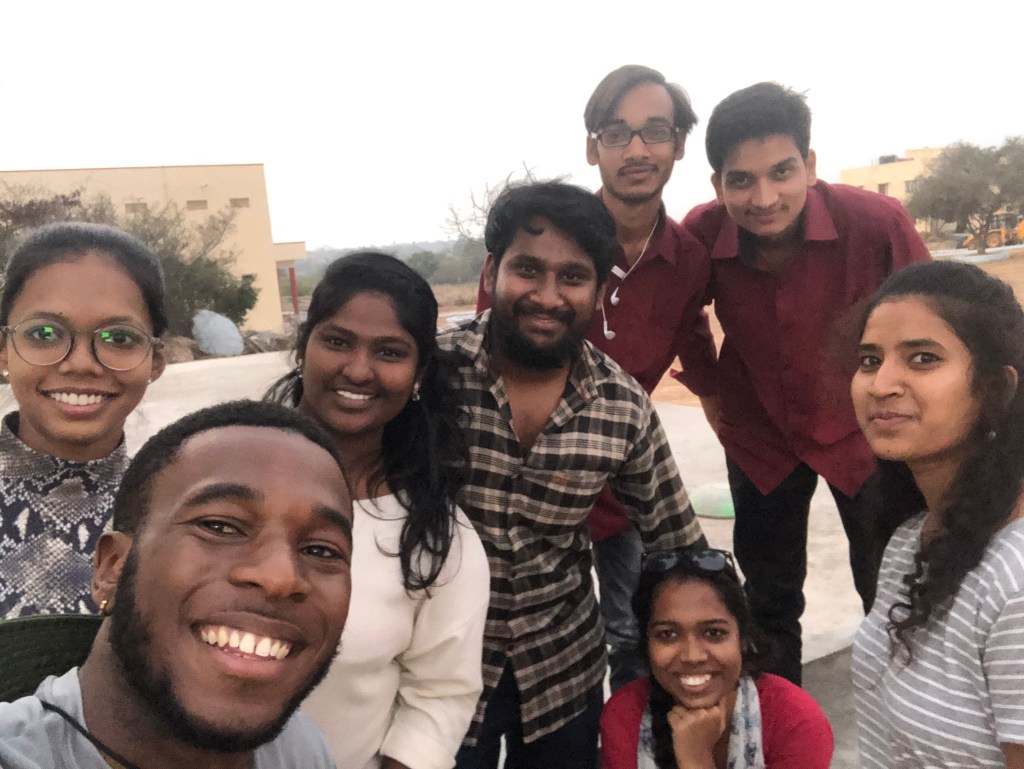
SAU students and IU students
In a trip to the main Dell centre in Hyderabad, the ccs group was given a full tour and description of what this company does and how it works with international consumers and partners. At this particular location in India, Dell was a major service centre that dealt with a number of international customers. By teaching their employees not to have a basic script, but to treat every call as a unique request or problem, Indians have been able to thrive in this area of Human Resources. This approach and framework is westernized and influenced by Dell in the United States themselves. The workers dealt with calls from USA, Canada, Australia, and more.
Many of the employees have degrees in HR, Marketing, or another form of Business which gives them the ability to administer help to a wider scope of customer. While working with individuals who are in other time zones can get difficult, Dell is a 24/7 operations centre, and most work at night in order to assist those in the other parts of the world. There was an exercise centre, as well as sleeping quarters and two different cafeterias. Working at a company like this is what some of the Immanuel students were striving for, exemplifying the link between education and business in India.
I learned a fair amount of Telugu in Hyderabad, and I made a ton of friends during my stay at IU. Getting to know other college kids my age in another part of the world was interesting, and I will cherish those moments.
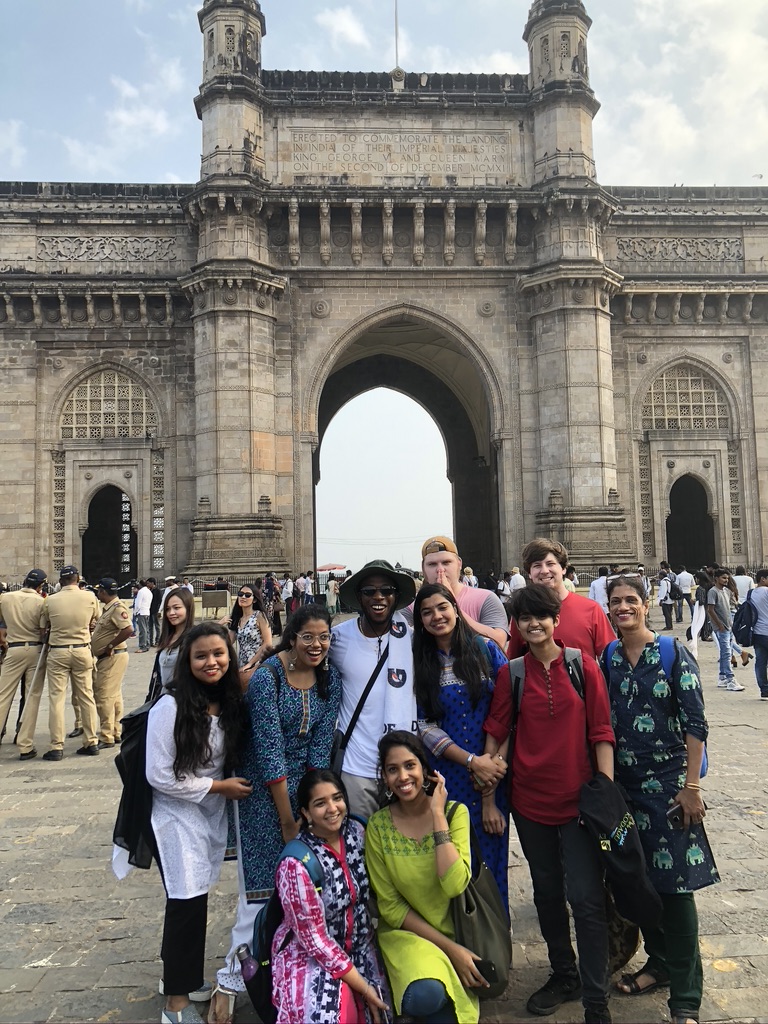
Mumbai was the first stop on my trip across India. In particular, this was one of my more favoured spots on the trip. While in Mumbai, we were given a very immediate culture shock. There were many differences that were immediately apparent. Communication became the biggest challenge, as our group attempted to fill out customs forms with no one being literate in any from of Hindi. The air quality of the city was poor, and it was a little bit harder to breathe compared to in a rural environment of Michigan.
There were many stray dogs who came up to us, as well as beggars alike asking for money or anything we had to spare. The sheer number of people in one area was also a bit astounding. Citizens riddled the streets of Mumbai, even at 4:30 in the morning. Coming from a private, isolated place like Spring Arbor – it was a major change to step onto the streets of Mumbai.
One of the first things we did in Mumbai was attend a seminar given by multiple pastors in Mumbai. These pastors talked at length about different social work initiatives being done in order to help and reach the most disadvantaged and broken in and around the city. 60% of India’s population is youth, thus, a lot of focus has gone into administering care to adolescents. In fact, there is an organization called the Dayanand Foundation that gives orphans, disabled, and poor children the opportunity to go to school, and get educated.
On the topic of education, the cross cultural group and I were graced the opportunity to visit an all girls institution in Sophia College. Sophia College was a very impressive school, a former royal palace converted into an education centre. Getting the opportunity to tour the school taught me a lot about the climate around gender roles and education in India. It is more typical for men and boys to go to school and get educated. Not to say women are discouraged from attending school, there is a considerable gap between the number of women being educated compared to the men.
In addition, much of the studies done in the schools is influenced by the English language, with connections to both England and the United States. Learning and studying in English is very important to Indian students, as it gives them the chance and opportunity to work for prominent westernized companies, or to move to countries that are English speaking. For the most part, the class size and structure were the same to ours at Spring Arbor. However there were many things in particular that I noticed; such as studying English literature.
One thing that our group learned about the Indian government early on is that evangelizing is illegal in India. The dominating religion is Hindi, and it was no secret that the religious views were tied in with the political ventures of India. This seriously hindered the amount of work any ministry was trying to accomplish. Killing cows (sacred animal to the Hindi religion and Indian people) was a criminal offence.
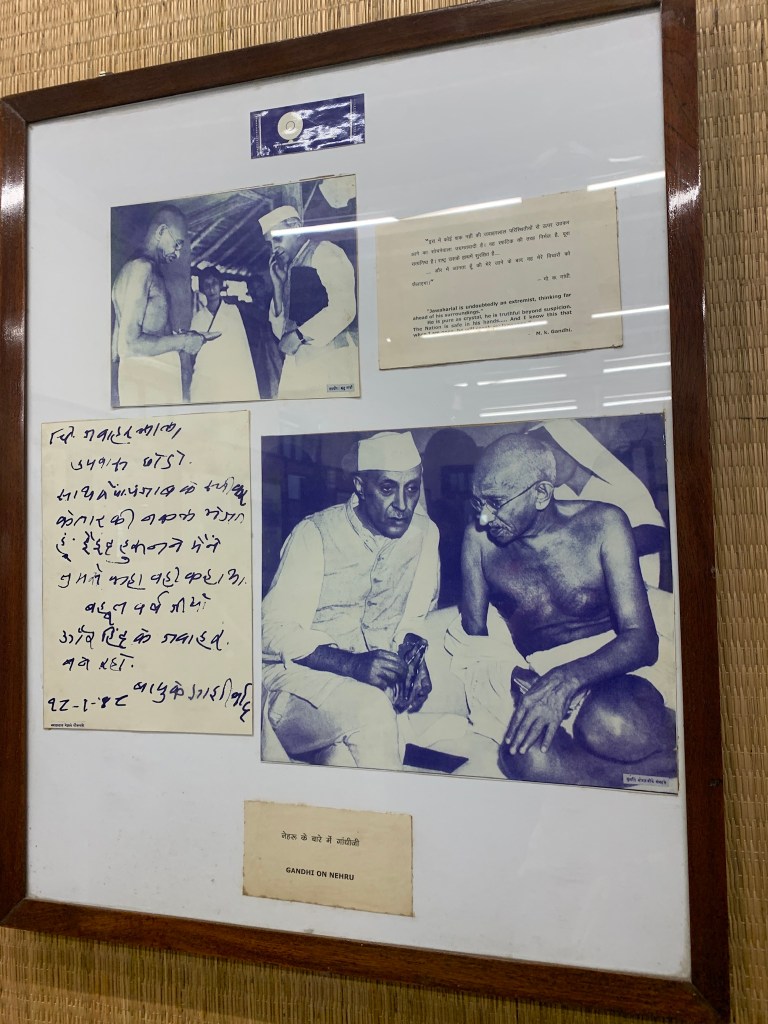
The government and culture in India pay much allegiance to Mahatma Gandhi, who is also the person that I did my mini-lecture on. With his non-violent approach to oppose the Indian rule, Mohandas Gandhi was a visionary who played an integral role in the separation of India from England. Much of his work and political reform material was done in Mumbai, and we got the opportunity to visit his home/study, which was called Mani Bhavan. It was important to note how much the students studied the writings of this man, and how much the country revered him. He played a big part in advocating for the rights of women, and pushing education and attention to the youth – which have become active projects for the Indian government.
Mahatma Gandhi Museum, Mumbai
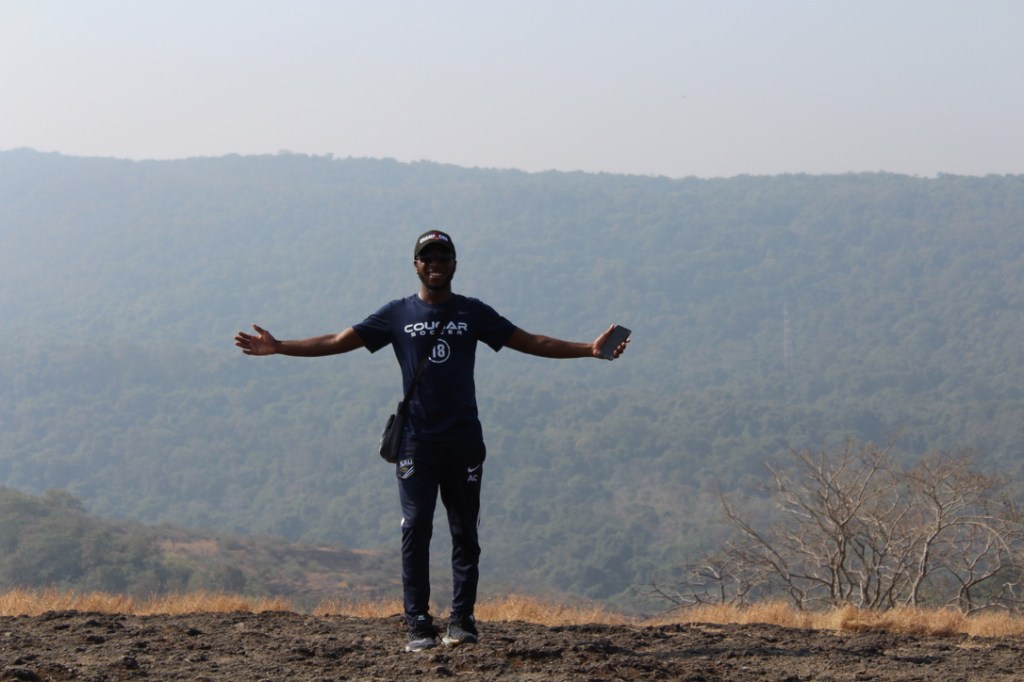
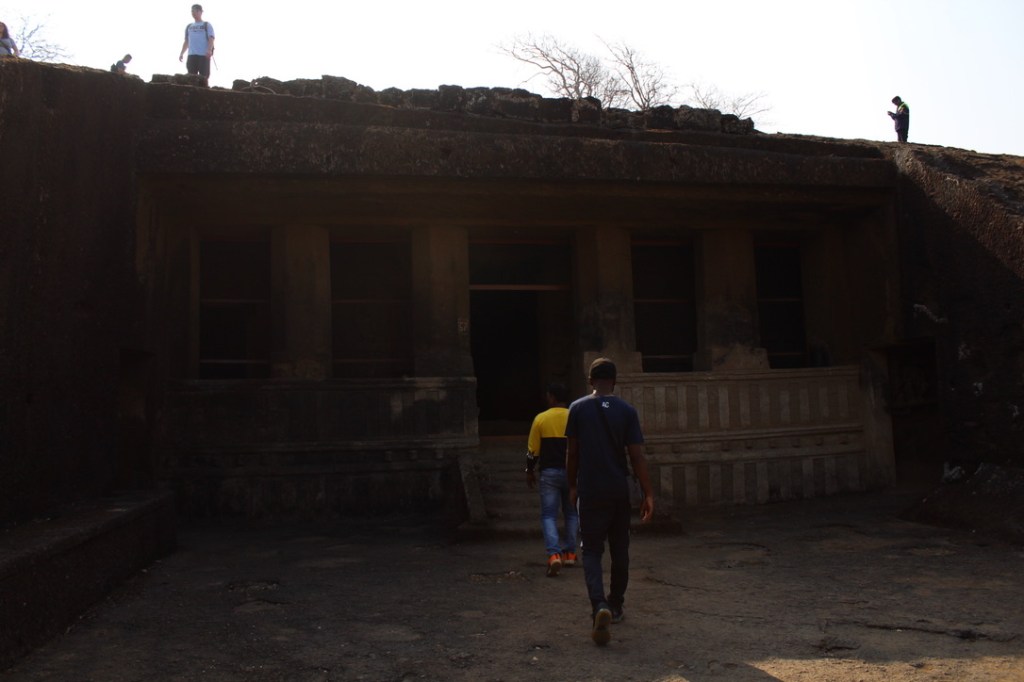
Other stops on our trip were a trip to the Kanheri caves, which are outdoor excavated caves on the top of a mountainous hill in Mumbai. There are a total of 109 outdoor caves, that used to be populated by monks, and other nomadic cultural tribes. The Kanheri caves have become a tourist accommodation, but were previously used as a residence for education and religion.
Tour guide Nilesh and I walking in the Kanheri Caves.
Out of all destinations, Mumbai was the most high-end in terms of business and shopping. We went to two very large malls while in Mumbai. A lot of the stores were the same in America, with prices being just as steep. There are a lot of major companies in India, seeing as it is such a bustling country. Both malls that we went in were huge, with a lot of variety for any kind of shopper. Nothing compared to the bargaining shops we encountered in Kolkata or Darjeeling.
Mumbai was a layered city that had much to offer in terms of sight-seeing and personal interaction with the city. More stable infrastructure, a busy street culture, as well as westernized shopping were all apart of Mumbai. But I had only just tipped the iceberg in India.
 Addison's Blog