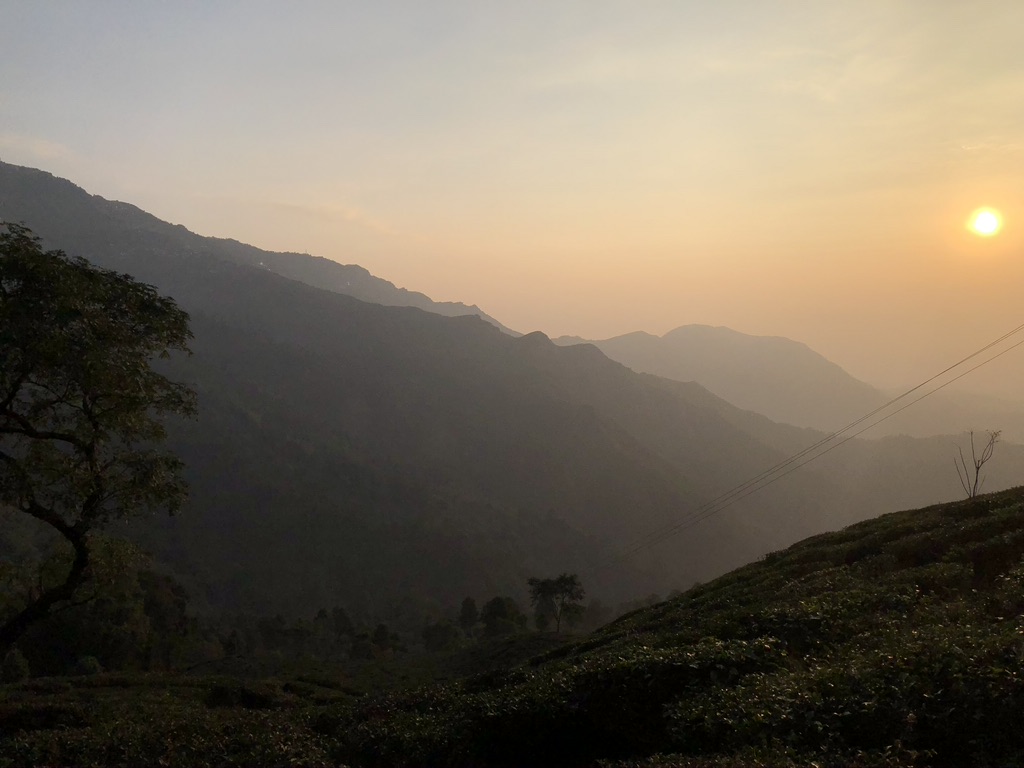
I truly grasped the full extent of my blessings to have put me on this trip in Darjeeling. India was truly something beautiful in the mountains. It was in the Makaibari village that we did our homestays, and I am at a loss of words for how this part of the trip exceeded my expectations. We also took a day trip across the Indian border into Nepal, . This part of the trip will showcase a lot of pictures, as the sights from Darjeeling were, once in a lifetime opportunities.
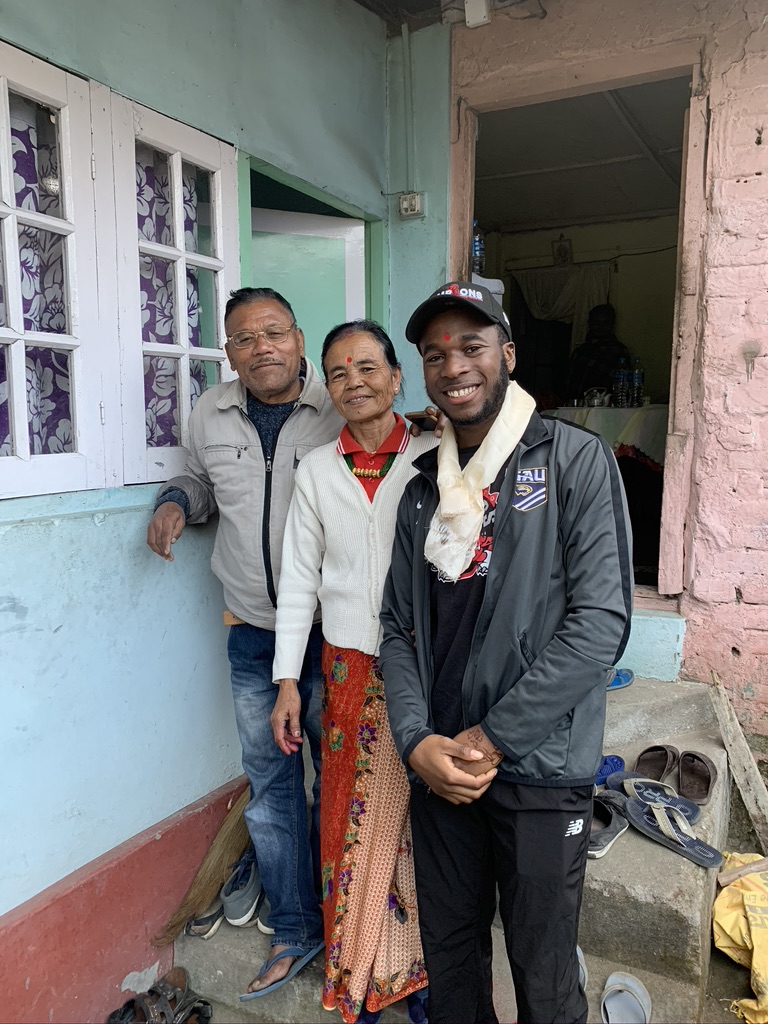
For my homestay, I was housed by Maya-Debi, and her husband, Herri-Chettri(Ronaldo). They spoke a language called Nepalese, which my roommates Gabe, Justin, and Austin learned much of during our four days of staying with them. Maya-Debi and Herri-Chettri are both retired field workers in the tea garden that surrounds their home. They had us stay in two separate rooms with ample space and comfort in terms of beds and couches. we had our own personal bathroom that we did not share with anyone else. Living at the bottom of the terrace were a group of Hindi men who worked in the village. We were accepted with grace and joy, as Maya-Debi called us her lucky four leaf clover – as there were that number of us who came to stay with her.
I didn’t have many challenges on the trip, but one that I knew I would have was not being able to shower during our home-stays. The reason for this was of lack of water, but the reality of the situation truly hit me when I had the opportunity to live with this family. Water was such an issue for this village that they had to carry it up in bottles and buckets from a main station someway down the mountain. We were not served water with our meals, nor did we see any built in showers or bath-tubs. Despite this issue, these were some of the happiest and most genuine people I have ever encountered in my life. This couple treated us like family immediately.
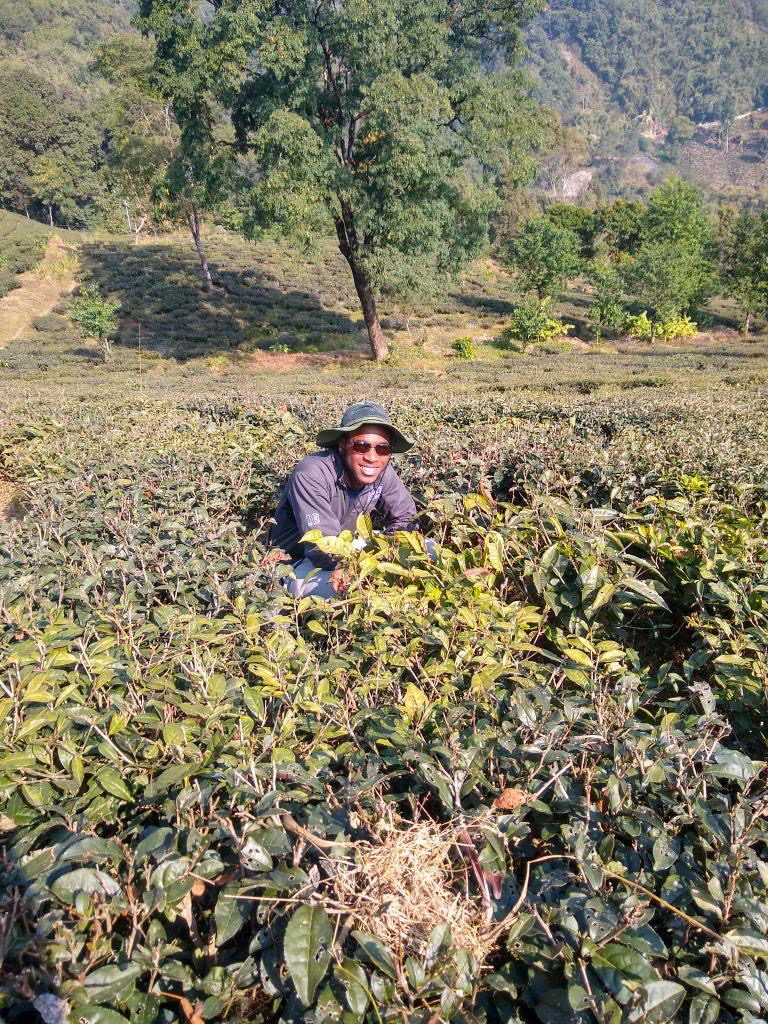
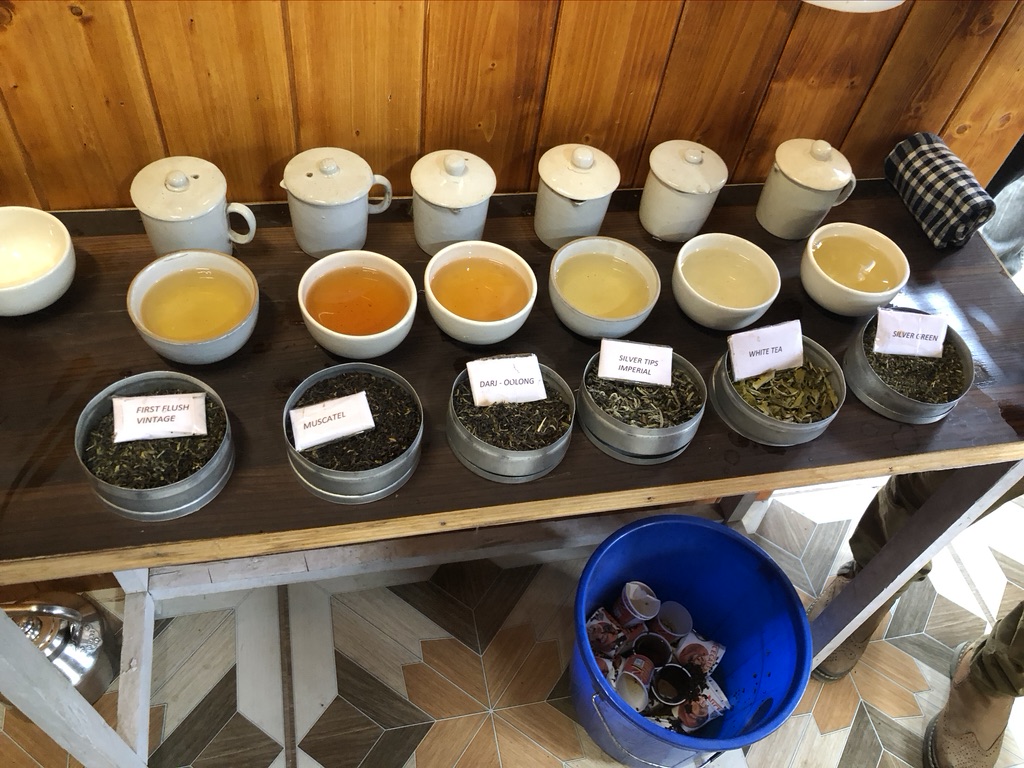
The tea garden was an astonishing tour, and a one of a kind taste testing experience. We were taken down acres of tea, in which we learned about the three different types of leaves that varied in size and thickness, which all grew on different bushes in the garden. There are four harvest seasons, with them all occurring from May-November. Those who tend to the tea fields work 5-6 days a week, and start work around 8:30am, generally waking up at 5:30-6am. When it is not harvest season, the bulk of work is maintaining the size of bush to about 2 feet in height. The harvesting process is a long standing procedure brought to India by the English and their machinery. It involves separating, oxidizing, and grinding the leaves. The final product sells for a lucrative price worldwide.
Taking the trip to Nepal was quite the adventure. Travelling in off road jeeps, up steep mountain ranges, in the rain surrounded by fog – the trek up to the Nepal border was not easy. As we approached Darjeeling and Nepal, the facial features of the locals began to change, taking on more Chinese and Mongolian distinctions. Mainly because we were getting closer to the border of China as well. While in Nepal, we got to stay in a lodge facing the Himalayan mountains. We were able to wake up and see the sunrise on the Sleeping Buddha section of mountains, we found out that many Buddhists would pray to a shrine placed in the adjoining direction.
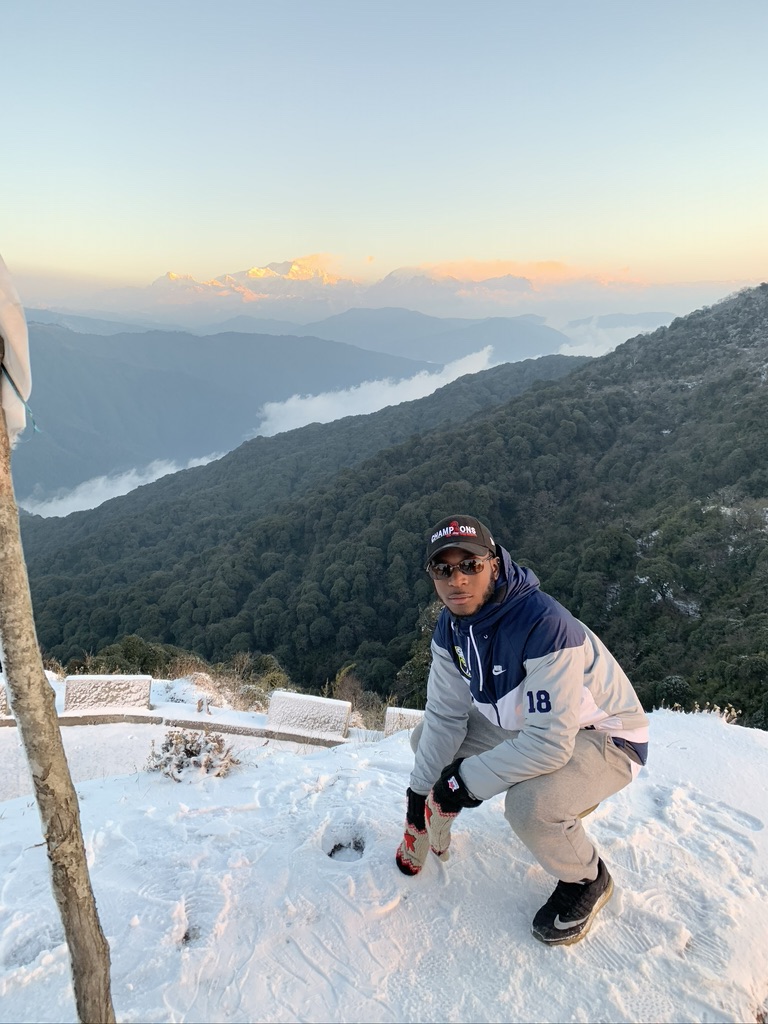
Darjeeling was filled with India’s natural beauty and full of rich relationships and friends. While we were there we attended a house church that was run by a woman. There were about 20 families in total that piled in the little house, and it was very refreshing to be apart of a different kind of worship in a different language. I was so thankful for the time spent in Maya-Debi’s home, as well as in the Makaibari village. The whole village was basically family, and not once did I feel as if I was an outsider, or any sense of alienation. Darjeeling was by far my favourite spot on the trip, and I would go back in a heartbeat.
 Addison's Blog