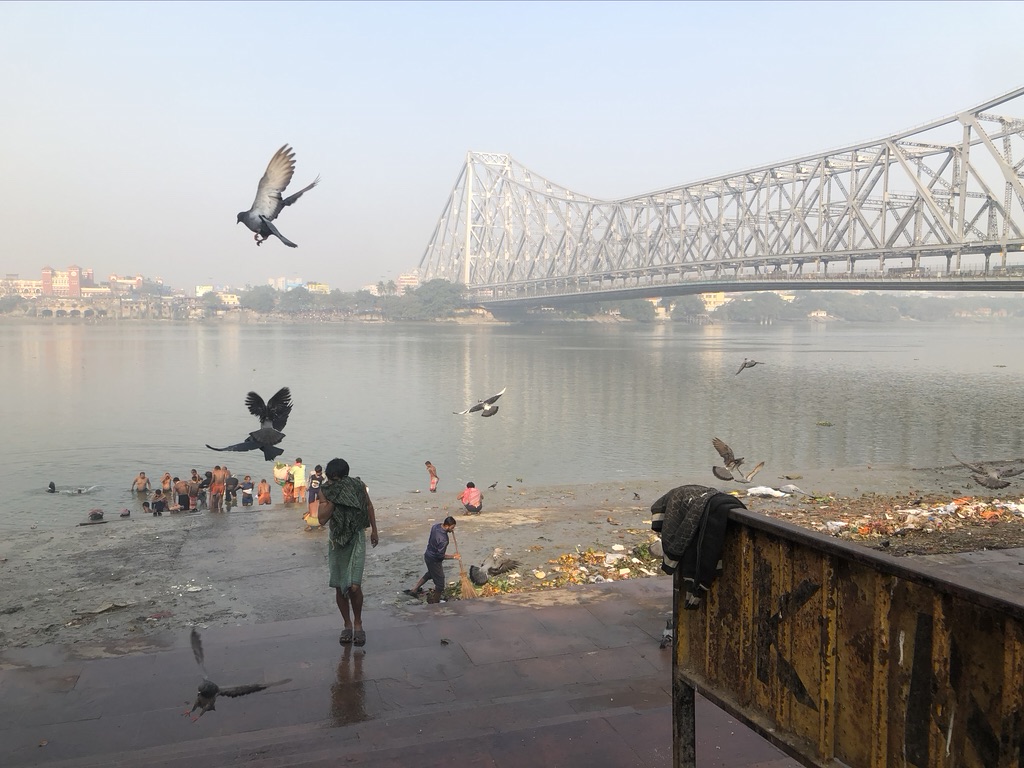
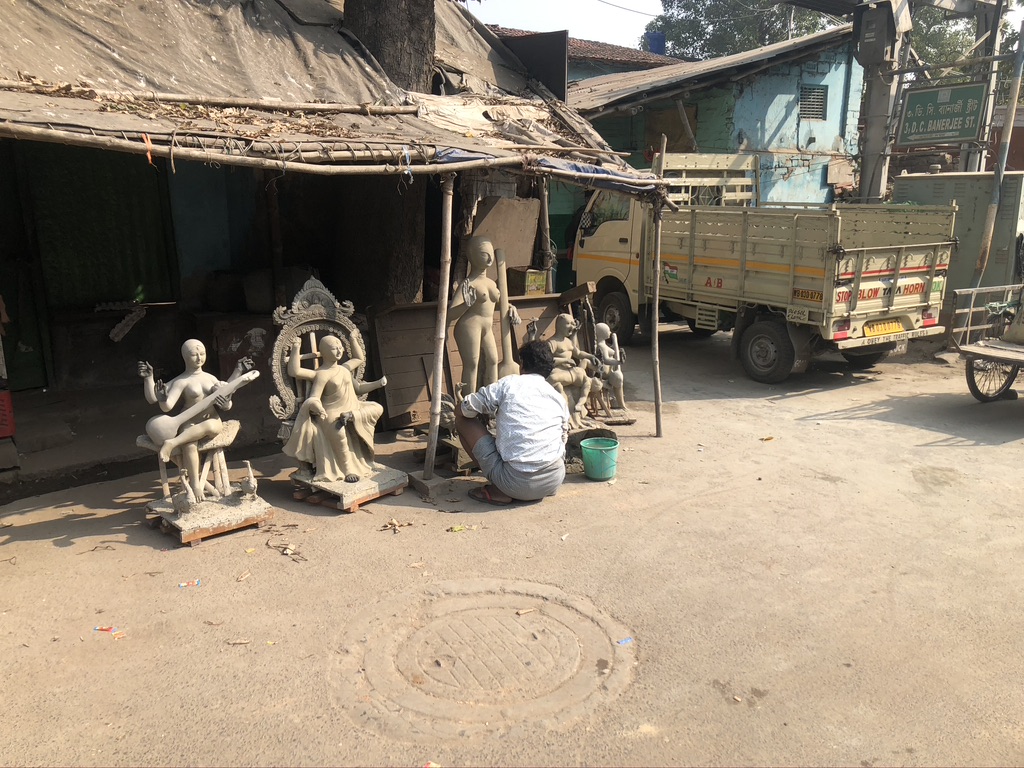
Although Kolkata was the last stop on our trip, this doesn’t mean that it was any less of an experience compared to the other 3 destinations. While walking through the streets our first night in the city, I made a side comment to my professor, saying, “This is the most raw experience we’ve had thus far in a major metro city.” What I meant by that is during our time in India, we were blessed with amazing guides that were with us every step of the way when it came to going further than a mall or a restaurant. While in Kolkata, we were left to fend for ourselves and navigate our own way throughout the city. Our group needed to be much more cautious about our locations, as well as awareness to our surroundings. A bustling business capital, Kolkata also had many hidden treasures waiting to be discovered. A visit to Mother Teresa’s house, a trip to the American Embassy, and walking through a ‘Clay city’ really showed the depth and layers that our last urban area had to offer.
Mother Teresa’s house was a very tranquil and peaceful space to enter, especially in a city that never slept like Kolkata. Seeing where she based her operations and gathered other individuals to aid and share her passion for helping the disabled and sick was special. Although we weren’t able to tour the place and get insight as to what went on, it was touching to be a part of a service with other people who either were just visiting the place, or were longstanding members of her association.
One of our more impactful destinations was our trip to Sari Bari. Sari Bari is an organization started by two American women striving to change and impact the sex trafficking scheme and prostitution business in Kolkata. Based in the Red Light district, many of the women who come to work at Sari Bari are from the surrounding area. Sari Bari is a scarf and garment company, selling their scarves and products online to the world. The individuals who have escaped trafficking and are hired by Sari Bari receive many benefits and aid from the organization and the government. For example, the government gives the women money in order to put their kids into school. Or, setting up a savings account for them, by taking a portion of their pay cheque that the women themselves have been taught to set aside. The government has ruled prostitution as illegal, however it is one of the most profitable businesses in India as a whole. Talking to the general manager at this company, I learned that many reasons attribute to this, such as the long standing view on the role of women, numerous politician’s own involvement in the prostitution scene, and a lack of employment opportunities for Indians as a whole. This initiative is truly one that is life changing and real – I admired the women who worked here and the administration that ran the project.
On a walk of the city, I saw many different things that brought a lot of insight to the city of Kolkata. Some of the bits of information that I was able to pick up, was that only about 40% of all the people who live in Kolkata are actually natives to the city itself. The other 60% of the of the residents are actually migrants from other parts of India, who came looking for job and entrepreneurial opportunities, which are rich in Kolkata compared to other areas of India. In fact, when it comes to the country’s economy – agriculture actually reigns supreme, with about 55-65% of the Indian population relying on crops and food for their livelihood (income, meals).
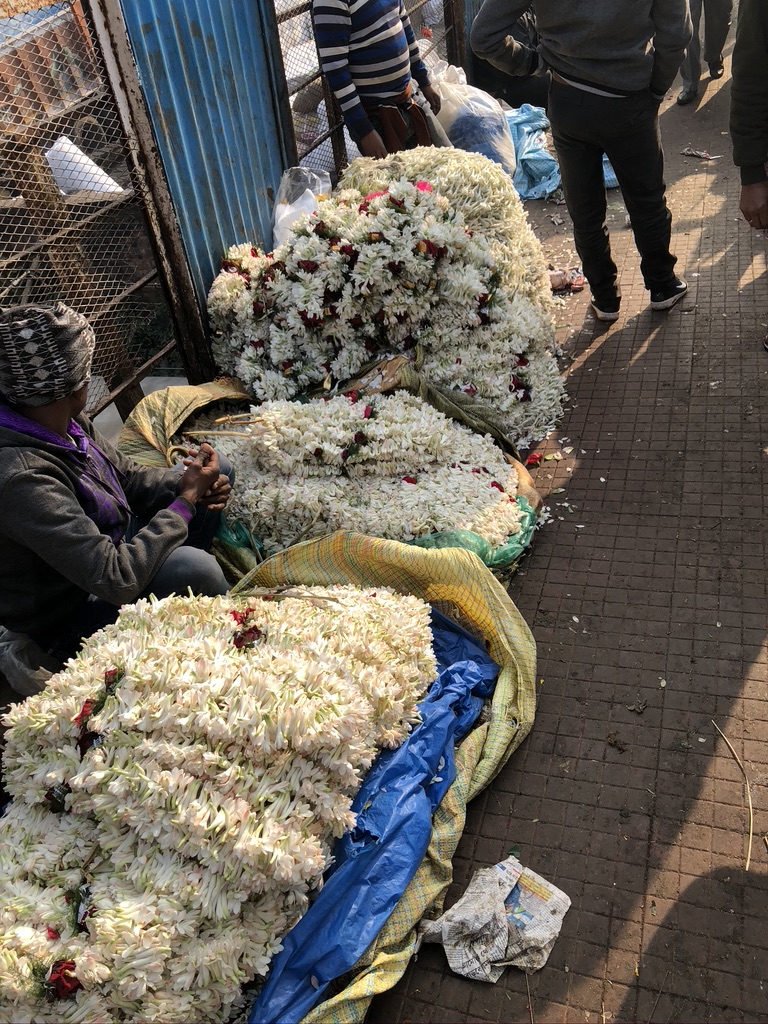
Religious plurality is something that I noticed while in India, and in Kolkata I was able to see that division pretty clearly. There were many Hindus, as well as Muslims and Buddhists. I encountered more buddhists in Nepal and Darjeeling, however the religion was present in this city as well. The climate was very tolerant, although people prayed and worshipped in different ways and to different deities, there was an understanding and a certain level of respect and acceptance amongst all Indian people I met. On the other hand, that religious climate that we stepped into wasn’t always a tolerant one, as there is a detailed history of Indians attacking and prosecuting others due to their religious beliefs.
The American Embassy in India does many things in terms of lightening and improving the relations with America and India. During our visit to the consulate, we were educated on a lot of the things that goes on in terms of international government relations. The list below outlines a few of the responsibilities that the Embassy takes on.
- Administering passports, helping in the event of stolen or lost passports.
- Keeping tabs on incarcerated Americans in Indian prisons, however they cannot do more than observe, not allowed to interfere.
- Responsible for promoting US business interests by lobbying for regulations that bolster foreign companies.
- Responsible for creating relationships with the Indians that show the true nature of the American people. Not all notions people have of other countries are always positive. (P2P Diplomacy)
- Sex trafficking in India is a massive problem, and even more prevalent in Kolkata. The embassy works to abolish this trade and rehabilitate the individuals who have fallen victim to trafficking.
 Addison's Blog